Create a complete Airbnb house manual covering check-in, Wi-Fi, appliances, vacation rental house rules, and local tips. A well-organized guide can slash late-night messages, boost your average rating, and free you from answering the same questions over and over.
In a market with millions of active short-term rental listings, standing out means communicating clearly from the moment guests book to the moment they check out. Your house manual is one of the easiest ways to make that happen.
Why Guests Love Clarity
Traveling comes with enough surprises. Your manual should not be one of them. When guests can find the Wi-Fi code, check-out steps, and emergency contacts at a glance, they feel confident and cared for.
Common hiccups a great manual solves:
- Lock-out anxiety. Step-by-step photos or a hidden keybox backup keep guests out of trouble.
- Appliance confusion. Simple how-to guides for coffee makers, thermostats, or washing machines reduce repeat questions.
- Trash and recycling. Clear schedules and bin locations mean fewer reminders.
- Parking and transport. Directions to nearby lots, bus stops, or rideshare tips help guests settle in faster.
Must-Have Sections in Your Manual
Think of your manual as a personal concierge. These core sections will cover almost every guest need:
- Warm welcome. Add a friendly greeting, arrival notes, and a favorite nearby recommendation.
- Access instructions. Include numbered steps plus photos for keypads, locks, or hidden keys.
- Appliance how-tos. Add a brief overview, labeled controls, and troubleshooting notes for common errors.
- Safety and emergencies. Provide 24/7 contact numbers, the local hospital address, evacuation routes, and emergency supplies.
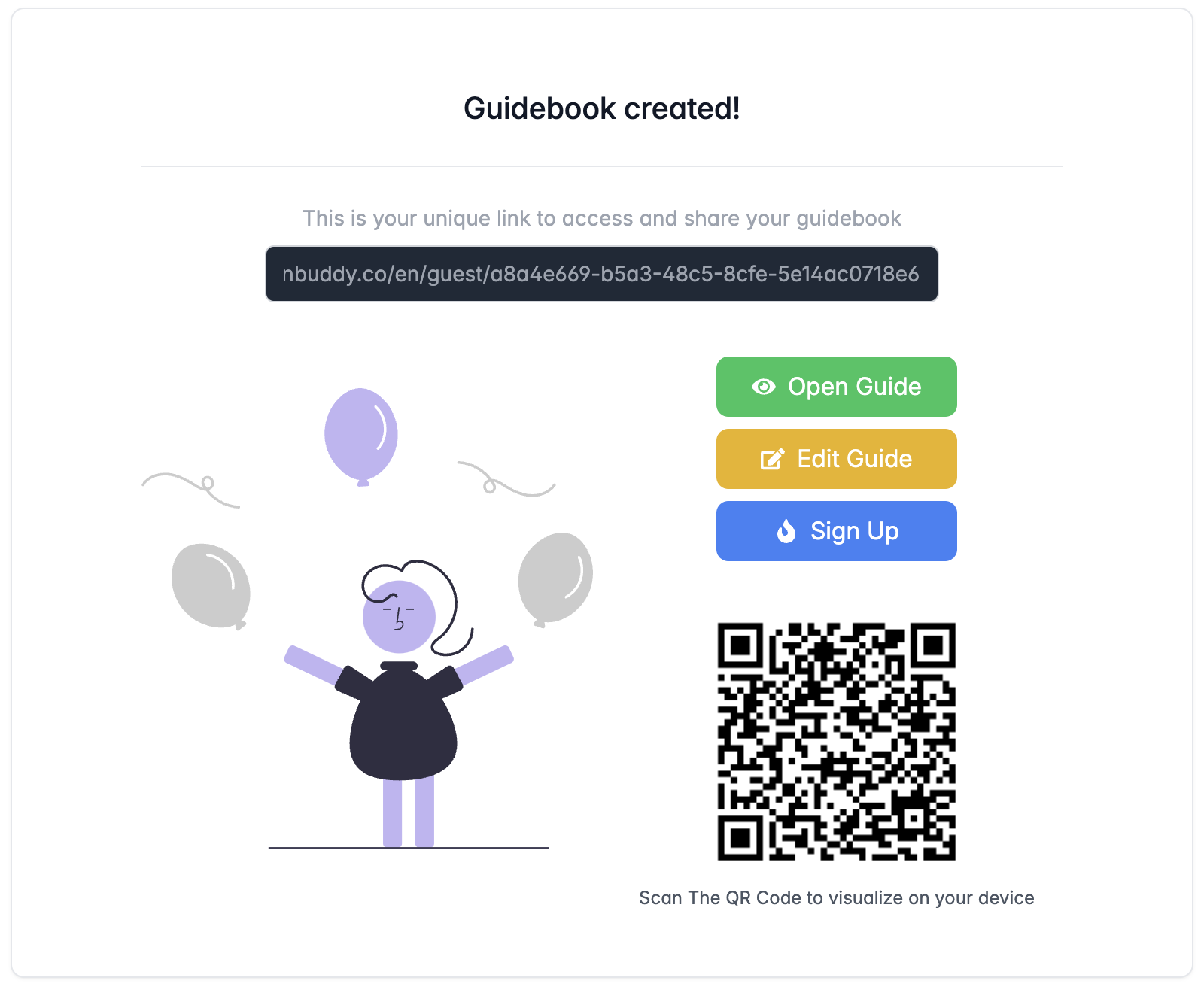
- Navigation and organization. Use a clickable table of contents or QR-code links so guests can jump straight to what they need.
- House rules. Frame rules as friendly requests rather than strict commands.
- Local recommendations. Curate coffee shops, parks, restaurants, family-friendly spots, and coworking options by distance or budget.
Digital, Print, or Both?
Choosing the right format depends on your typical guest profile:
- Digital manual. Best for instant updates, embedded maps, videos, searchable content, and easy sharing before arrival.
- Printed manual. Helpful when guests may not have reliable device access or internet, but it requires manual updates.
- Hybrid approach. A printed booklet with QR codes linking to the live digital version gives guests the best of both worlds.
Tech Instructions That Actually Work
Even tech-savvy guests appreciate clear visuals. Make the most confusing parts of the stay easy to follow:
- Labeled photos. Show each smart-lock keypad, entertainment hub, thermostat, or appliance panel.
- Screen captures. Highlight streaming-service login screens or thermostat menus.
- Icons and diagrams. Simplify stove knobs, microwave buttons, alarm systems, and remotes.
- Troubleshooting cheat sheet. Add quick fixes and common error codes guests can check before messaging you.
Run a dry-run check-in with a friend or staff member before guests arrive. These pre-arrival tests catch missing steps and reduce tech questions.
Tailoring Local Tips to Guest Types
Different travelers have different priorities. Organize your neighborhood guide by guest profile:
- Business travelers. Quiet cafes with strong Wi-Fi, 24-hour workspaces, and easy airport shuttles.
- Families. Parks with playgrounds, budget-friendly restaurants, and low-cost attractions.
- Adventure seekers. Guided hikes, bike-rental shops, scenic viewpoints, and rainy-day backups.
Group entries by distance and budget. If you partner with local businesses, highlight those deals to delight guests and support your community.
House Rules with Heart
Guests are more likely to follow guidelines when they understand the reason behind them. Instead of writing “No parties,” try language like: “We ask you to enjoy social time indoors until 10 PM so our neighbors can recharge.”
Use please, thank you, and a short explanation for each rule. This friendly tone builds trust while still protecting your property.
Keeping Your Manual Fresh
A house manual should evolve, not gather dust. Set a quarterly revision schedule:
- January. Review holiday-season feedback.
- April. Refresh local recommendations for spring events.
- July. Update tech instructions before peak summer travel.
- October. Add any new safety or amenity details.
Collect insights with a quick QR-code survey or a one-question checkout card, then scan your host inbox for recurring themes. Prioritize updates by impact versus effort: annotated photos usually beat long how-to videos when guests need fast answers.